



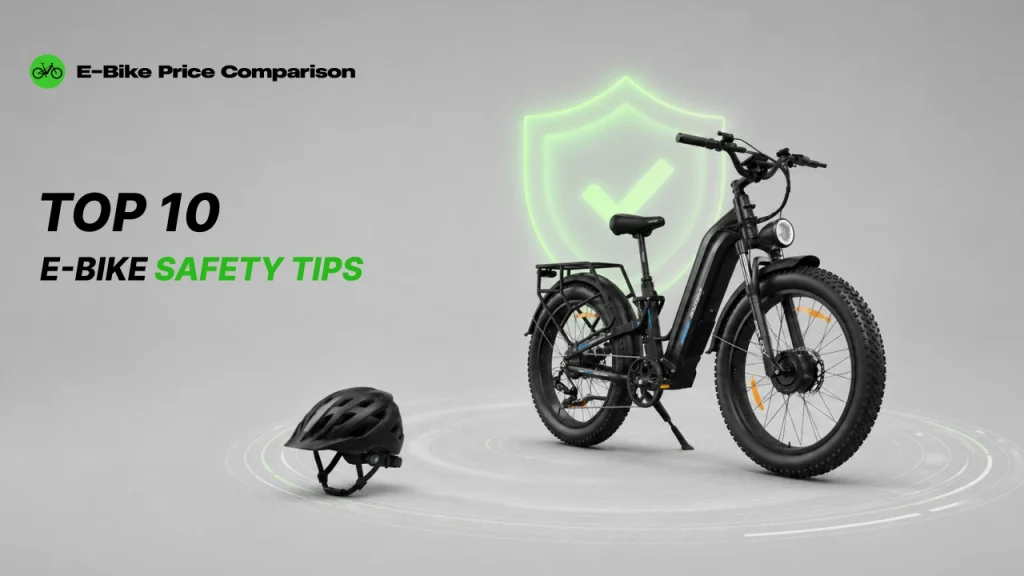
Electric bikes are rapidly transforming how people travel across the UK. From navigating busy London streets to enjoying weekend rides in the countryside, they offer an eco-friendly and highly efficient way to get around. Because these bicycles come equipped with motors, they allow you to travel faster and further with less physical effort.
However, that added power requires an updated approach to road safety. Riding an electric bicycle is quite different from pedalling a traditional push-bike. The increased weight and acceleration mean you need to adapt your riding style, understand specific legal requirements, and take extra precautions.
If you want to protect yourself and others on the road, reading up on the latest e-bike safety tips UK experts recommend is the best place to start. This guide covers the top ten essential safety strategies, ensuring your next ride is both highly enjoyable and fully compliant with local laws.
1. Understand UK E-Bike Laws (EAPC Rules)
Before you even hit the road, you must ensure your bicycle is legally allowed on public streets. In the UK, a road-legal electric bike is classified as an Electrically Assisted Pedal Cycle (EAPC). To meet these strict regulations, your bicycle must adhere to a few specific criteria.
First, the continuous rated motor power cannot exceed 250W. Second, the motor assistance must be completely cut off once you reach 15.5 mph (25 km/h). You can cycle faster than this, but only by using your own pedalling power. Finally, the bicycle must have functioning pedals, and throttles are only permitted up to a walking speed of around 3.7 mph. If your vehicle exceeds these limits, it is legally considered a moped or motorcycle.
2. Always Wear a Certified Helmet
Because electric bicycles allow you to maintain higher speeds with ease, protecting your head is absolutely vital. While UK law does not strictly mandate helmet use for cyclists, wearing a high-quality, certified helmet is the single most effective way to prevent severe head injuries in the event of a crash. Look for helmets carrying safety certifications like CE EN1078. If you frequently commute through heavy traffic or ride off-road, you might also consider a helmet with MIPS (Multi-Directional Impact Protection System) technology for added rotational protection.
3. Master E-Bike Braking Techniques
Electric bicycles are significantly heavier than standard bikes due to the battery and motor components. This extra mass directly impacts your stopping distance. You will need more time and space to come to a complete halt, especially when travelling at the maximum assisted speed of 15.5 mph.
Familiarise yourself with your braking system. Most high-quality models use mechanical or hydraulic disc brakes for superior stopping power. Practice applying both the front and rear brakes smoothly and simultaneously in a quiet, traffic-free area. Avoid grabbing the front brake too harshly, as this can easily send you over the handlebars.
4. Maximise Your Visibility
Urban commuting often involves riding in low-light conditions, particularly during the British winter. Making yourself visible to motorists, pedestrians, and other cyclists is a core component of electric bike road safety.
Ensure your bicycle is equipped with bright, reliable LED lights. You must have a white light at the front and a red light at the rear. You should also wear high-visibility clothing, such as a reflective jacket or vest, and consider adding reflective tape to your helmet or backpack. The earlier a driver spots you, the more time they have to react.
5. Follow E-Bike Battery Safety Guidelines
Lithium-ion batteries power modern electric bicycles, and while they are generally safe, improper care can lead to severe fire risks. The National Fire Chiefs Council (NFCC) frequently highlights the importance of safe charging habits to prevent thermal runaway.
Always use the original charger supplied by the manufacturer. Never leave your battery charging unattended overnight, and avoid charging it near combustible materials or blocking your main escape routes. If your battery becomes damaged, swollen, or unusually hot, stop using it immediately and seek professional advice.
6. Observe Urban Cycling Etiquette
When commuting through towns and cities, you will likely share spaces with pedestrians and traditional cyclists. Proper cycling etiquette UK riders rely on helps prevent accidents and reduces friction between different road users.
On shared-use paths, always give way to pedestrians. Use your bell to politely alert others of your approach well in advance, rather than speeding past them silently. When riding in cycle lanes, maintain a predictable path and use clear hand signals before turning or changing lanes.
7. Perform Pre-Ride Safety Checks
A quick inspection before you set off can prevent mechanical failures at dangerous moments. Make it a habit to run through a basic checklist:
- Tyres: Check for adequate pressure and ensure there is no visible damage or severe wear.
- Brakes: Test both brake levers to ensure they feel firm and responsive.
- Battery: Confirm you have enough charge for your planned journey to avoid being stranded.
- Chain: Ensure the chain is properly lubricated and free of excess grime.
8. Maintain Safe Distances in Traffic
Because you can accelerate quickly from a standstill, it is easy to accidentally tailgate vehicles. Always leave a generous gap between yourself and the car in front of you. A good rule of thumb is to maintain a three-to-four-second following distance. This provides you with an adequate buffer to react if the driver suddenly slams on their brakes or swerves to avoid a pothole.
9. Adjust Your Riding for the Weather
British weather is notoriously unpredictable, and wet conditions dramatically alter how your bicycle handles. Rain reduces tyre traction and significantly increases the time it takes for your brakes to engage.
When riding in the wet, reduce your speed and avoid leaning heavily into corners. Be particularly cautious of painted road markings, wet leaves, and metal manhole covers, as these become incredibly slippery.
10. Secure Your Bike from Theft
While theft prevention might not seem like a direct road safety tip, protecting your investment ensures you are never left stranded in an unsafe area late at night. Electric bicycles are high-value targets for thieves. Always lock your frame and wheels to a solid, immovable object using a heavy-duty U-lock or a thick chain lock. For extra peace of mind, you can also fit a hidden GPS tracker to help recover the bicycle if it does go missing.
If you are looking to upgrade your current ride or want to explore models with the best built-in safety features, be sure to check out our comprehensive e-bike comparison pages. You can also browse our latest buying guides to find expert safety gear recommendations tailored to the UK market.

